Learning how to space travel in Antarctica
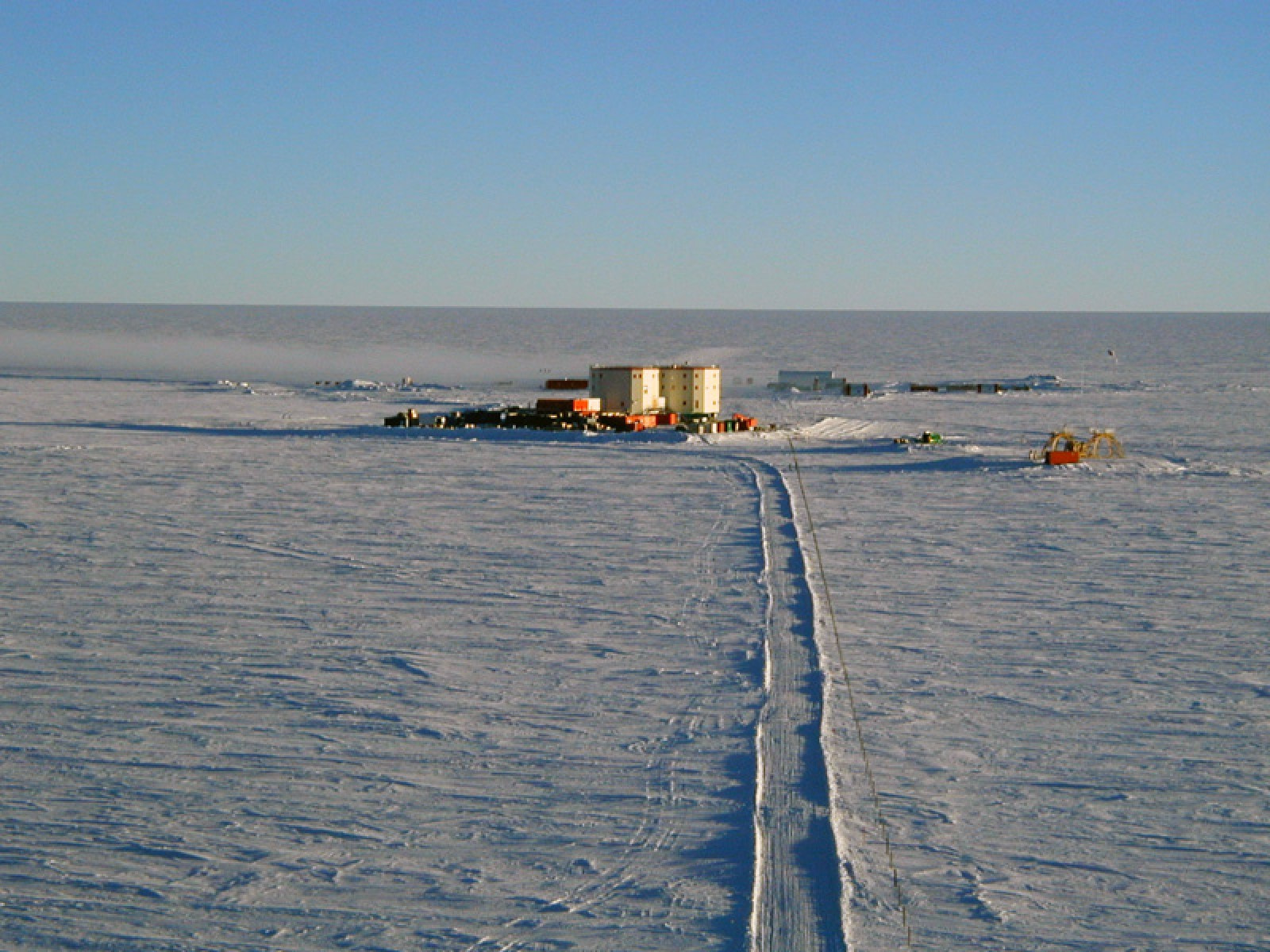
At the Concordia station, a French-Italian research facility that was built 3,233 metres above sea level at a location called Dome C on the Antarctic Plateau, European Space Agency (ESA) scientists are researching the effects of long space missions. The station is more remote than the International Space Station: the nearest humans are 600 kilometres away.

© Chris Danals, National Science Foundation, via Wikimedia Commons
Isolation, confinement, very dry air, no access to supplies, danger, extreme weather conditions, the monotony of everyday life. Except for the lack of gravity, living in Antarctica is the closest thing to a long journey to Mars, for example.
The abnormal day and light cycles cause great impact on humans, and scientists are using Antarctica to study its effects and how to prevent them.
All night/day long
During summer at Antarctica, the sky is never dark. Around the summer solstice, weather conditions permitting, the sun is visible 24 hours a day. In the winter months, the opposite occurs. The lack of darkness and the long night affect human circadian rhythms, which are physical, mental and behavioral changes that follow a roughly 24-hour cycle. Hormones can go haywire without the usual cues to indicate day/night.
Only a small numbers of subjects have been studied intensively in polar regions, there is no native population in Antarctica to be able to conduct a long-term study, but there are many papers which focus on the civilian and military personnel that spend their winters below the Antarctic circle. The research focused first on adaptation to the cold environment, but later scientists found out that the lack of natural sunlight in winter and the excess of natural light in the summer was probably of greater importance.
How to reduce the impact of abnormal light cycles
In the summer days, it is very easy to stay up and alert for 24 hours without remembering to sleep. In the winter, seasonal affective disorder kicks in. In a slow and incremental process, exhaustion will dull the senses and slow reactions. In an extreme place such as Antarctica, you simply cannot afford it.
So, what can people do in order to prevent this?
- Keep warm: This might seem obvious, but using adequate protective clothing will reduce exposure to extreme cold and prevent sudden changes of temperature.
- Eat your (frozen) veggies: Meals punctuate the day. It's a time not only to ingest much-needed nutrition but to meet others and socialize. The cook is probably one of the most important persons in a station, without question.
- Stick to the schedule: On British Antarctic bases, a structured day with set periods of eating, working, and sleeping is mandatory. This is also the case of most bases and research stations, and also on ships. Oceanwide Expeditions vessels might be a bit more relaxed in the sense that the schedule is not mandatory, but doctors and expedition leaders will encourage passengers to stick to the schedule and keep a routine to prevent sleep issues and other health problems.
- Time zones: Since in Antarctica there are no set time zones and they can be changed for convenience, you can switch between very, very different time zones in the matter of minutes, which can be very confusing for mind and body. Vessels usually keep the time zone from their departure point on the continent to avoid this.
Below the Antarctic circle, nature takes over and us humans just have to surrender and follow its lead.